Tarot Rider Guide: Rider-Waite Deck Meanings for Beginners
July 8, 2026 | By Finnian Grey
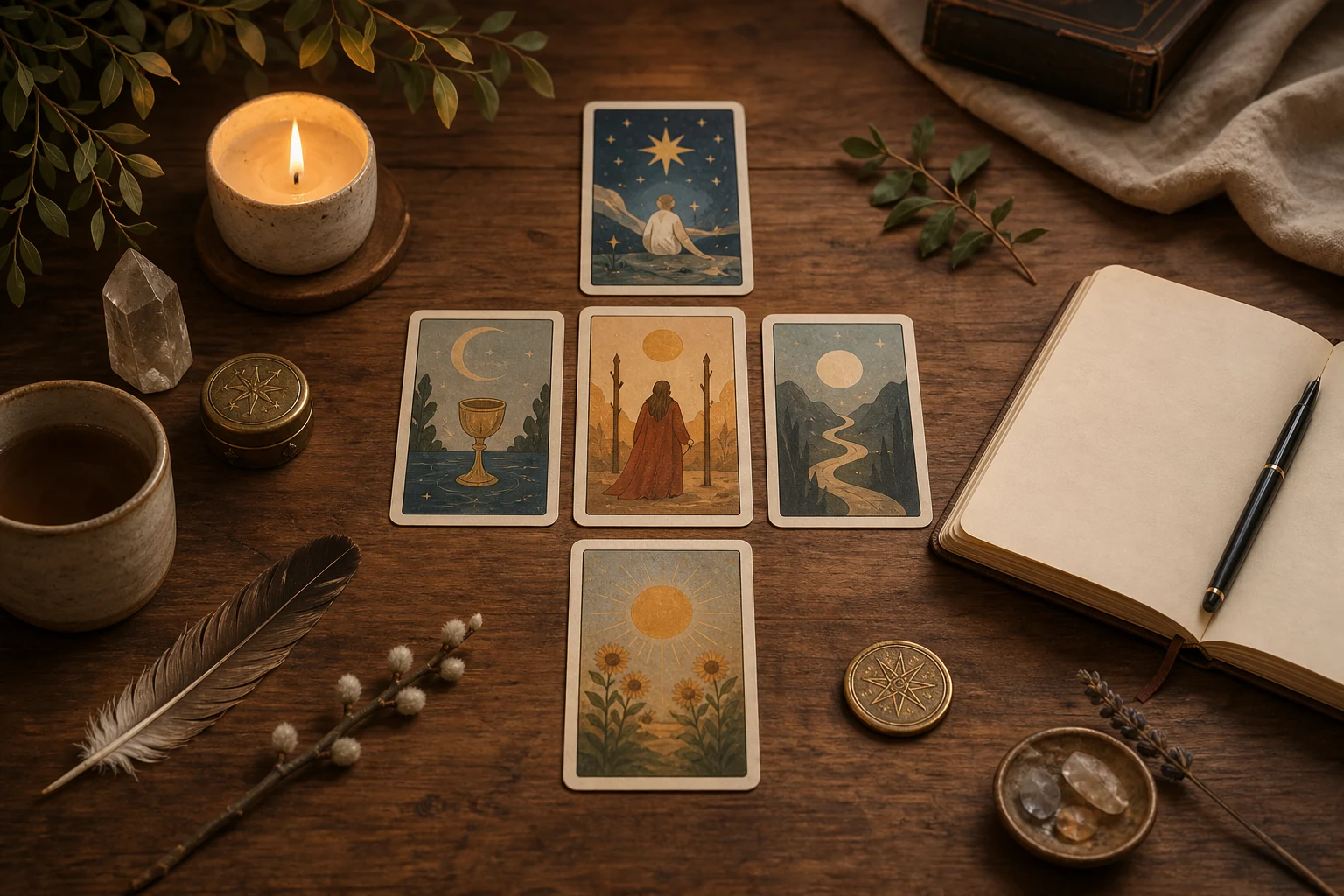
If you searched for tarot rider, you are probably looking for the Rider-Waite tarot system: the familiar 78-card deck with vivid scenes, clear symbols, and images that many modern decks still echo. It is often called Rider-Waite, Rider-Waite-Smith, RWS, or simply the Rider Tarot deck. For beginners, its biggest gift is visual clarity. Instead of memorizing abstract keywords alone, you can look at posture, color, objects, weather, and direction to build a reading. If you want to compare that learning with an actual spread, a free online tarot reading can give you a simple place to practice reflection without needing a physical deck.
What Is the Rider-Waite Tarot Deck?
The Rider-Waite tarot deck is a 78-card tarot deck first published in the early twentieth century. It was created through the collaboration of occult writer Arthur Edward Waite, artist Pamela Colman Smith, and publisher William Rider. Many readers now prefer the fuller name Rider-Waite-Smith because Smith's illustrations are central to why the deck became so teachable and influential.
The deck follows the classic tarot structure: 22 Major Arcana cards and 56 Minor Arcana cards. The Major Arcana tells a symbolic story of development, choice, challenge, awakening, and integration. The Minor Arcana covers everyday life through four suits: Wands, Cups, Swords, and Pentacles. What made this deck especially beginner-friendly is that the numbered Minor Arcana cards are illustrated with scenes, not only suit symbols. A Five of Cups image, for example, gives you posture, loss, remaining resources, and emotional atmosphere in one glance.
This does not mean the deck gives fixed answers. A tarot reading is best treated as symbolic reflection. The cards can help you notice a pattern, name a feeling, or consider a next step, but they should not replace legal, medical, financial, or mental health advice.
Why Rider-Waite Became the Default Beginner Deck
Many tarot books, courses, card meaning lists, and online explanations use Rider-Waite-Smith imagery as their baseline. That happens for practical reasons. The scenes are direct enough for new readers, layered enough for advanced study, and consistent enough to support comparison between cards.
A beginner can look at The Fool and see openness, risk, innocence, and movement. The same reader can later notice the cliff, the small bundle, the white flower, the animal companion, and the bright sky. A beginner can see The Magician as focused action. Later, the table of four suit objects, the raised wand, and the garden imagery add more nuance.
This is why searches such as rider waite tarot deck meanings, rider-waite tarot all cards, and rider waite tarot deck for beginners often lead back to the same core idea: the images are a learning system. You are not only studying definitions. You are training your eye to read symbolic relationships.
Rider-Waite Tarot Deck Meanings: A Quick Map
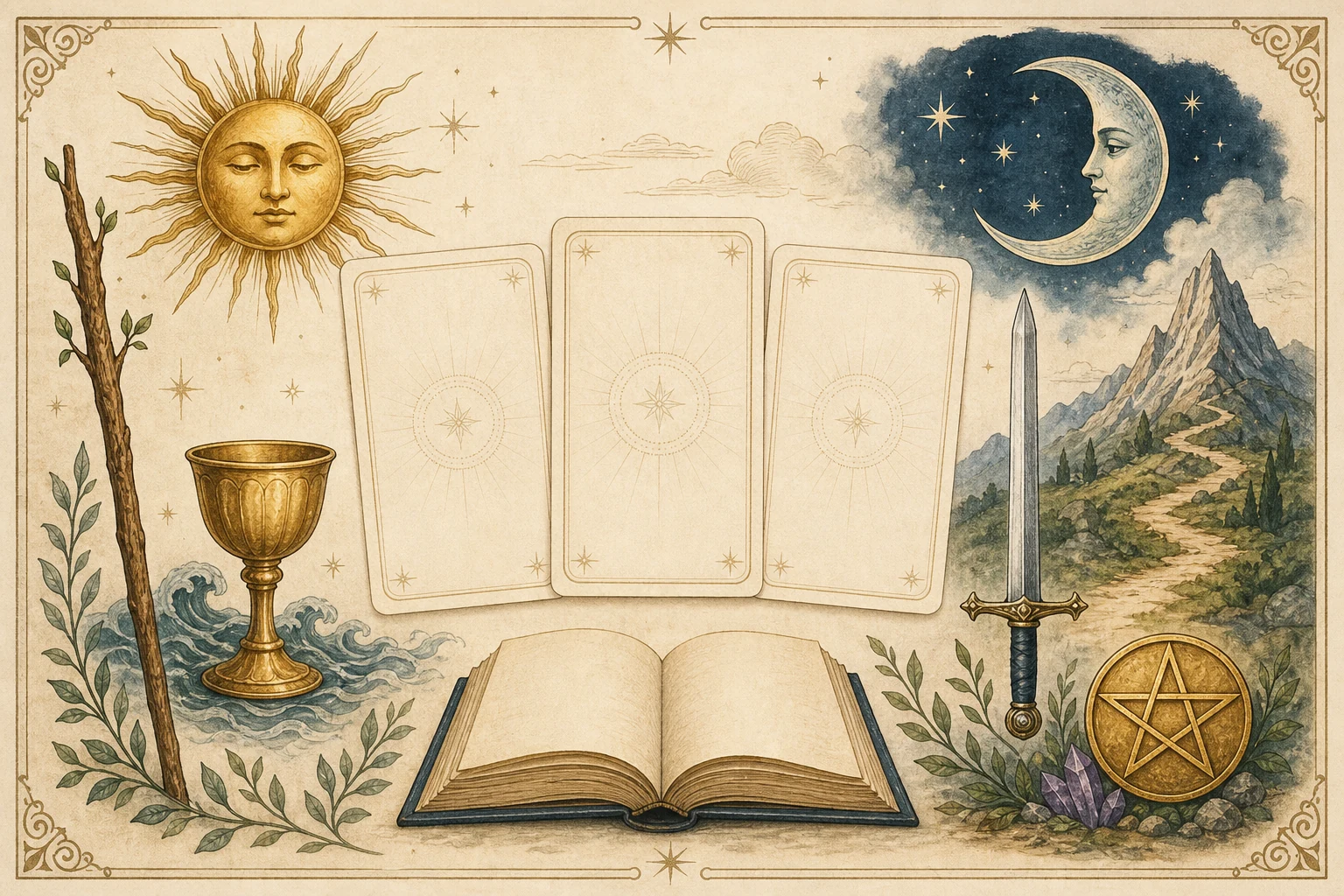
The best way to begin with tarot rider meanings is to learn the system before memorizing every card. Start with the three layers below.
Major Arcana: Big Themes and Turning Points
The Major Arcana includes cards such as The Fool, The Magician, The High Priestess, The Emperor, The Hermit, Death, The Tower, The Star, and The World. These cards usually point to major themes rather than small daily details. They can suggest a lesson, threshold, identity shift, or important inner process.
For example, The Magician often relates to intention, skill, and turning available tools into action. The Hermit points toward solitude, inner guidance, and the search for a quieter truth. The Tower can feel intense, but in a reflective reading it may simply ask where a fragile structure needs honesty.
Minor Arcana: Daily Life and Practical Patterns
The Minor Arcana is where everyday situations come alive. Wands often relate to energy, creativity, ambition, and movement. Cups often relate to feeling, connection, memory, and intuition. Swords often relate to thought, conflict, clarity, language, and decision-making. Pentacles often relate to work, body, resources, habits, and material life.
The numbers matter too. Aces often signal a seed or beginning. Twos can show choice, balance, or partnership. Fives often introduce tension or adjustment. Tens suggest culmination, completion, or overload. When you combine suit plus number plus image, the meaning becomes easier to remember.
Court Cards: Roles, Styles, and Maturity
Pages, Knights, Queens, and Kings can be read as people, parts of yourself, styles of action, or stages of maturity. A Page may suggest curiosity and early learning. A Knight may show movement, pursuit, or intensity. A Queen often reflects receptive mastery and emotional intelligence within the suit. A King often reflects outward leadership, structure, or responsibility.
If a court card confuses you, ask: is this a person, an attitude, a skill I am practicing, or a way I am being invited to respond?
How to Read Rider-Waite Tarot Cards Without Memorizing Everything
Memorization helps, but it should not be the whole method. A stronger beginner approach is to read the image in layers.
First, name the scene. Who is present? What are they doing? Are they moving, waiting, guarding, celebrating, grieving, or choosing? This gives you the emotional center of the card.
Second, notice direction. Is the figure looking forward, backward, upward, inward, or away? Direction can suggest attention. A figure facing away from spilled cups may be focused on loss, while a bridge or castle in the background may suggest that not every path is closed.
Third, identify the suit symbols. A card full of swords asks you to examine thought, language, tension, or truth. A card full of cups asks about feelings and relationships. Wands bring energy and desire. Pentacles bring the practical world.
Fourth, connect the card to the question. The same card can feel different in love, career, self-growth, or daily guidance. The Two of Cups in a relationship question may highlight mutual recognition. In a work question, it may point to collaboration or an agreement. In a personal reflection question, it may ask how well your inner values and outer choices are cooperating.
When you want a low-pressure way to test these layers, try a beginner-friendly tarot reading and write down what you noticed before reading any interpretation. That small pause builds real reading skill.
Rider-Waite Guidebooks, PDFs, and Deck Images: What to Know
Many people search for a rider waite tarot guidebook pdf or rider waite tarot deck images because they want all card meanings in one place. That is understandable, but it is worth being careful.
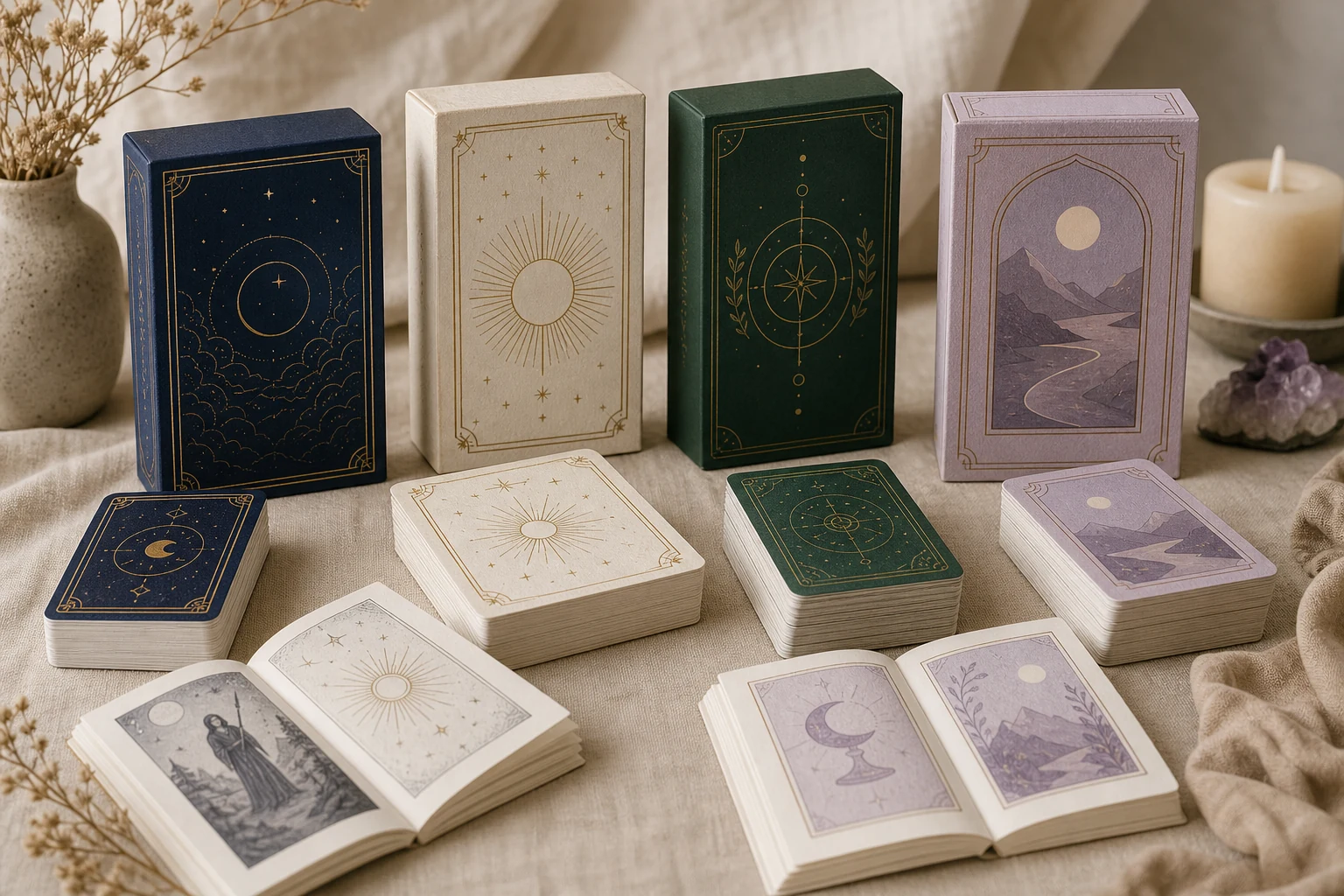
First, editions vary. You may see The Original Rider Waite Tarot Deck, The Rider Tarot Deck, Radiant Rider-Waite, Universal Waite, Smith-Waite editions, borderless versions, mini decks, and recolored versions. The structure is usually the same, but colors, line style, borders, card stock, booklet length, and image treatment can differ. If you are learning from a book or website, make sure the card names and imagery match the deck in your hand.
Second, image rights can be complicated. Some early tarot artwork may be discussed as public domain in certain contexts, but modern editions, recolorings, scans, guidebooks, layouts, and publisher materials can still have rights attached. If you only need to study meanings privately, use reputable learning resources. If you plan to publish card images, print them, sell a product, or use them commercially, check the rights for the exact edition and jurisdiction.
Third, a guidebook is a starting point, not a script. The little white book that comes with a deck may offer concise upright and reversed meanings. A longer rider waite tarot book may explain symbolism, history, numerology, and reading technique. Both are useful, but your best learning comes from comparing the written meaning with what you actually see in the image.
The Magician in Rider-Waite Tarot
One of the most searched individual cards is the magician rider waite tarot. In this deck, The Magician stands with one hand lifted and one hand pointing downward, a classic image of channeling intention into practical action. On the table are the four suit symbols: wand, cup, sword, and pentacle. Together, they suggest that the Magician has access to energy, feeling, thought, and material tools.
In a beginner reading, The Magician often asks: what do you already have that you are not using? It may point to skill, confidence, timing, or the need to act with focus. Reversed, or in a challenging position, it can suggest scattered effort, performative confidence, or a gap between intention and follow-through.
Keep the interpretation grounded. The card does not promise success. It invites you to notice resources and responsibility. That makes it especially useful in readings about creative work, communication, study, and decisions that require active participation.
A Simple Practice for Learning Rider-Waite-Smith Cards
Use this five-minute practice with any Rider-Waite-style card.
- Look at the card for thirty seconds before reading a meaning.
- Write three visible details: an object, a color, and a posture.
- Write one emotion the card seems to carry.
- Connect that emotion to your question in one sentence.
- Read a guidebook meaning and compare it with your first impression.
This practice keeps intuition and study in conversation. It also prevents the common beginner problem of grabbing one keyword and forcing it into every situation.
For a three-card spread, use the same method card by card, then look at the relationship between them. Are the figures facing one another or away? Do the suits repeat? Does the mood move from tense to calm, or from passive to active? These patterns often make a reading feel more coherent than isolated definitions.
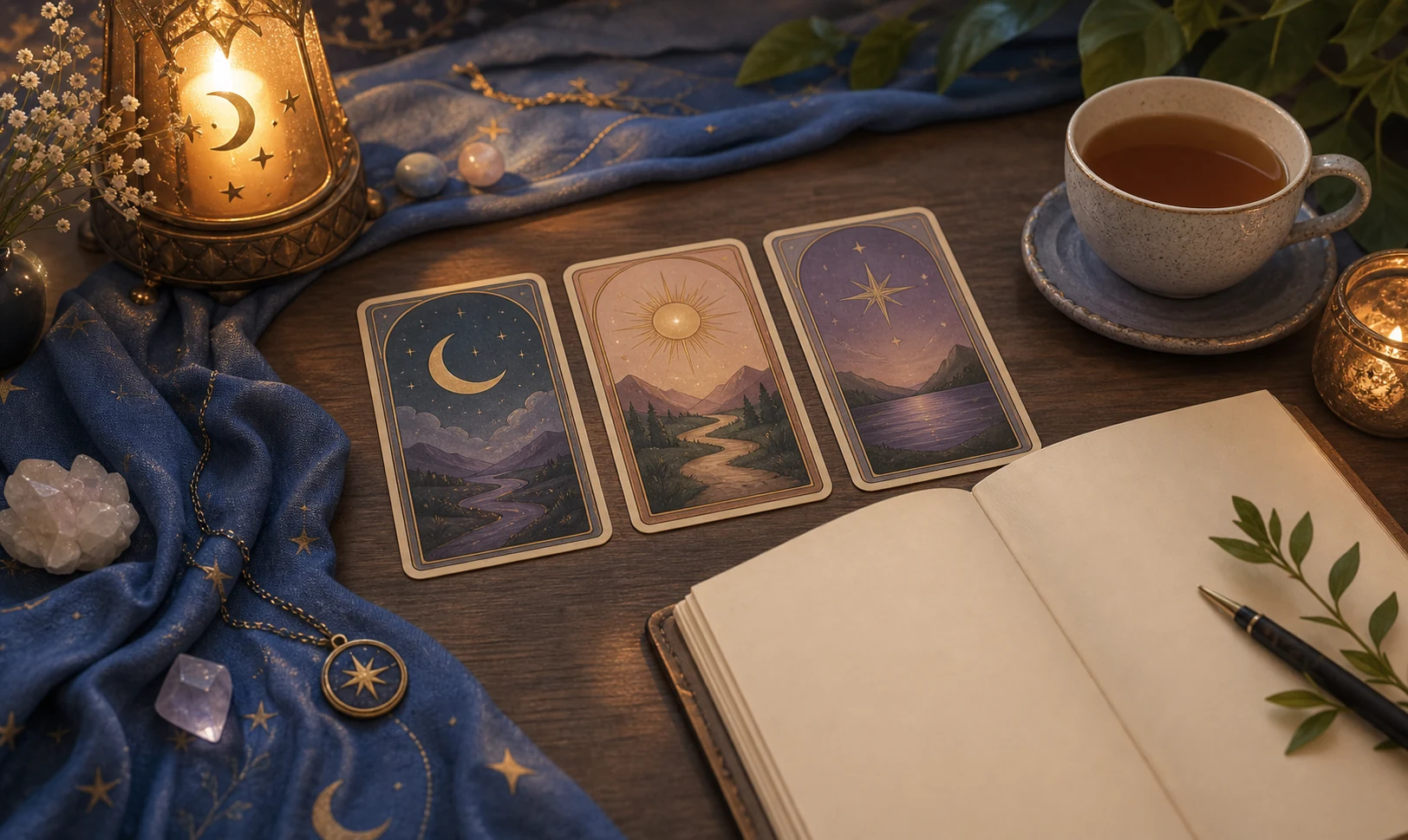
Using Tarot Rider Meanings for Gentle Self-Reflection
The Rider-Waite-Smith deck remains popular because it makes symbolism visible. You can study a card meaning, then return to the image and see why that meaning developed. For beginners, this is more memorable than a plain keyword list. For experienced readers, the same images keep offering small details that shift with the question.
Use tarot rider meanings as a reflective language, not as a fixed command. Ask open questions such as "What pattern am I noticing?" or "What response would be more balanced?" If you want to compare your study with a live layout, you can reflect with a simple tarot spread and treat the result as a prompt for journaling, not a final verdict.
FAQ
What is the rider tarot?
The rider tarot usually refers to the Rider-Waite tarot deck, also called Rider-Waite-Smith or RWS. It is a 78-card tarot deck known for illustrated scenes, strong symbolism, and beginner-friendly imagery. Many modern tarot guides use it as the default reference deck.
Is Rider-Waite tarot good for beginners?
Yes, it is one of the most beginner-friendly tarot systems because the images show people, actions, objects, and settings. Those visual clues make it easier to understand card meanings without relying only on memorized keywords.
Are Rider-Waite tarot cards all the same?
Not exactly. Many editions follow the same 78-card structure and core imagery, but colors, borders, print quality, booklet content, and artwork treatment can vary. The Original Rider Waite, Radiant Rider-Waite, Universal Waite, and Smith-Waite editions may feel different in use.
What does The Magician mean in Rider-Waite tarot?
The Magician often points to intention, skill, focus, and using available resources. In the Rider-Waite image, the four suit symbols on the table suggest access to different tools of action. In a challenging position, the card can ask whether energy is scattered or used without clarity.
What is Pamela Colman Smith's role in the deck?
Pamela Colman Smith illustrated the deck under Arthur Edward Waite's direction. Her visual storytelling is a major reason the deck became so influential. Many readers use the name Rider-Waite-Smith to recognize her creative contribution.
Is tarot forbidden by religion?
Views differ widely across religious traditions and individual communities. Some people avoid tarot for spiritual reasons, while others use it as art, symbolism, journaling, or self-reflection. If this question matters to your faith practice, seek guidance from a trusted spiritual leader in your own tradition.
Do I need a Rider-Waite tarot book?
A book helps, especially when you want consistent meanings and symbolism notes. Still, you can begin by observing the image, journaling your first impression, and then comparing it with a guidebook. The best learning combines study with careful attention.